


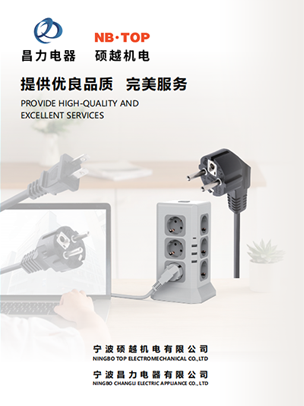
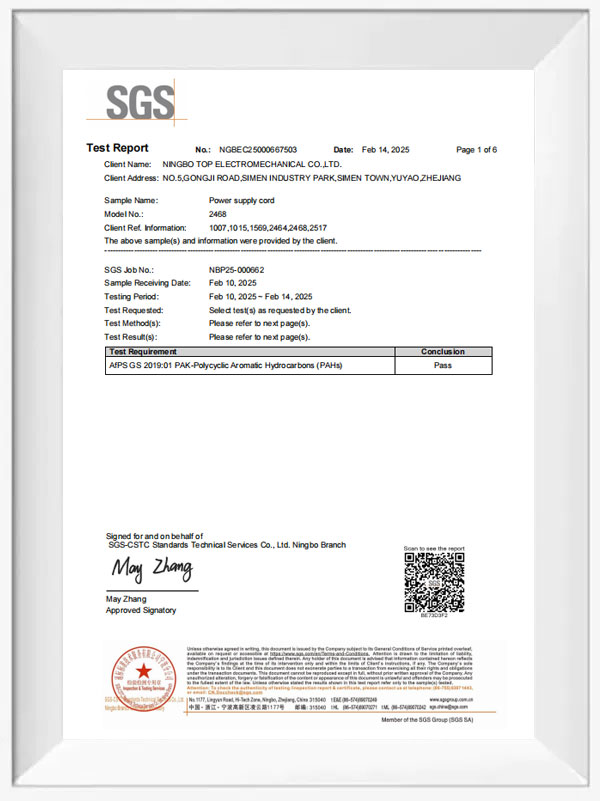
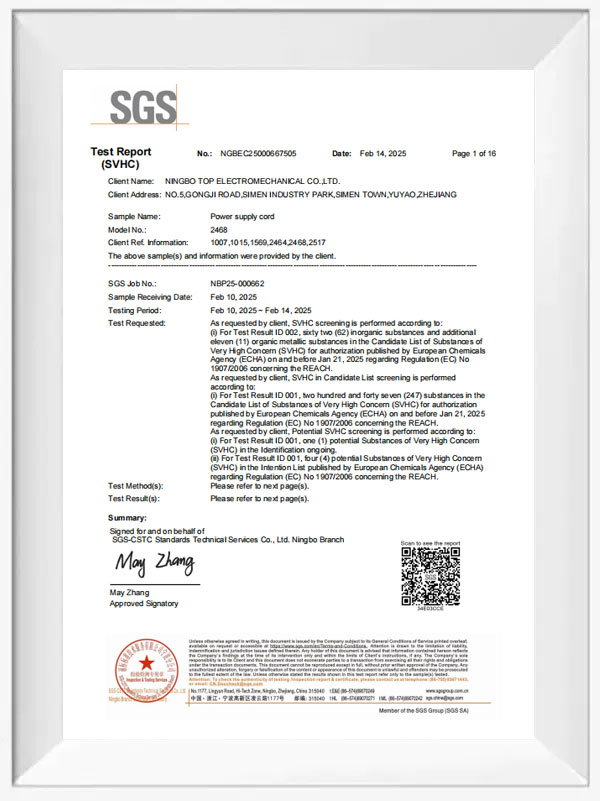
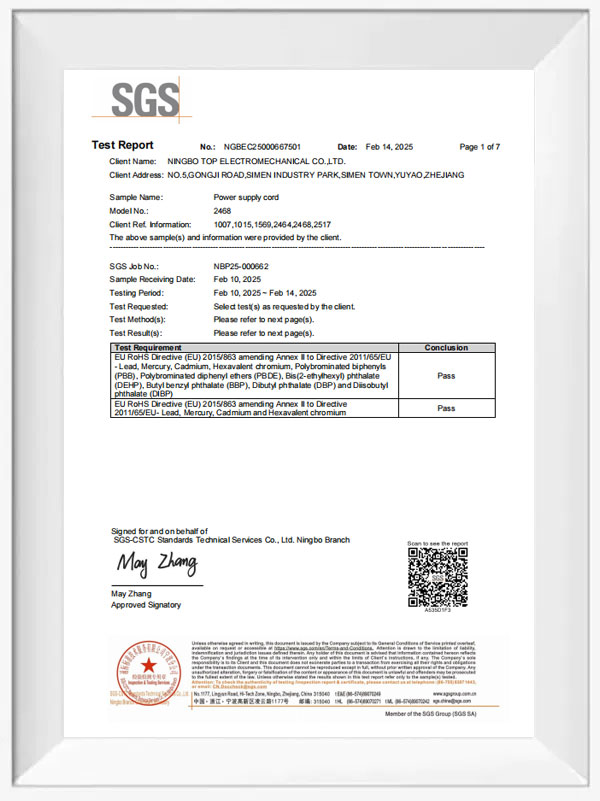
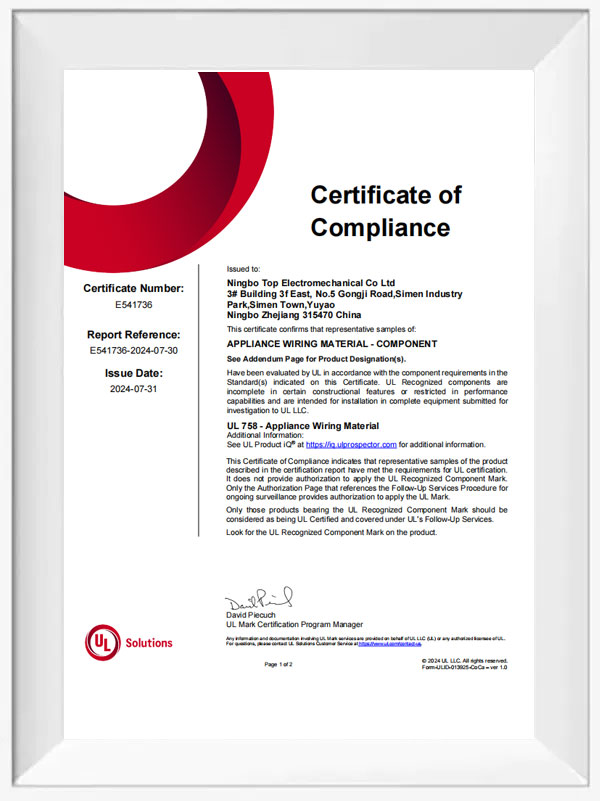
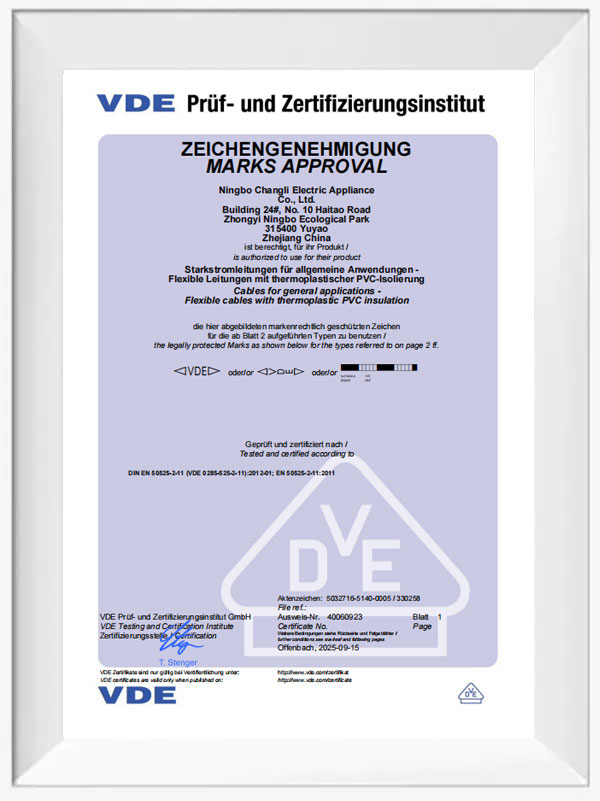
중국 전기 장비 부품 제조업체 태국 표준 플러그 제조업체 전기 부품 공장 태국 표준 플러그 공장, Ningbo TOP Electromechanical Co., Ltd. 는 전선 및 케이블, 플러그 및 소켓, 방수 LED 커넥터, LED 정션 박스, 조명 스트링 배선 등 시리즈의 연구, 개발 및 제조를 전문으로 하는 세계적으로 유명한 전기 및 전자 제품 공급업체입니다. 당사는 국가 및 국제 표준을 엄격히 준수하며, 탁월한 품질로 시장에서 자리매김하고 국내외 고객에게 서비스를 제공합니다. 항저우만 남쪽 해안에 위치한 교통이 편리하고 경제적으로 활기찬 위야오 중이 완양 혁신 파크에 자리 잡고 있으며, 항저우 국제공항, 닝보 항구, 상하이 공항을 포함한 1시간 경제권 내에 있어 전략적 위치를 차지합니다. 물류 네트워크는 전 세계로 확장되어 신속한 배송과 효율적인 서비스를 보장합니다. 당사는 최첨단 제조 및 테스트 장비를 보유하고 있으며, 포괄적인 품질 관리 시스템을 구현하고 전문 서비스 팀을 구축하여 생산부터 애프터 서비스까지 모든 단계에서 높은 기준을 유지합니다. 당사는 CCC, VDE, UL, PSE, ASTA, SAA, KC를 포함한 여러 국제 인증을 획득했으며, 제품은 다양한 국제 안전 기준을 충족하여 전 세계 고객의 신뢰를 얻고 있습니다. 우리의 비전은 글로벌 전원 연결 산업의 선두주자가 되는 것입니다. 우리는 고객 중심으로 우수성을 추구하며, 협력자와 함께 협력하여 빛나는 미래를 이루기를 기대합니다.';

카테고리
태국 표준 플러그 공급업체
-
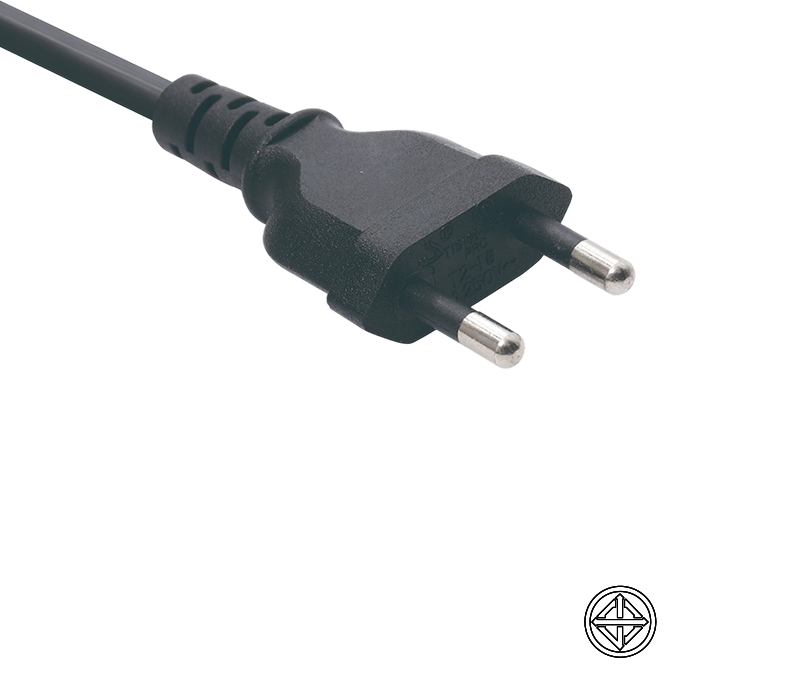 T2-3/6/10/16 16A 250V 태국 2핀 플러그태국 표준을 준수하는 이 2핀 플러그는 정격 전류가 16A이므로 고전력 기기를 지원할 수 있습니다. 순수 구리 도체로 구성되어 뛰어난 전기 전도성을 제공합니다. PVC 하우징...
 -
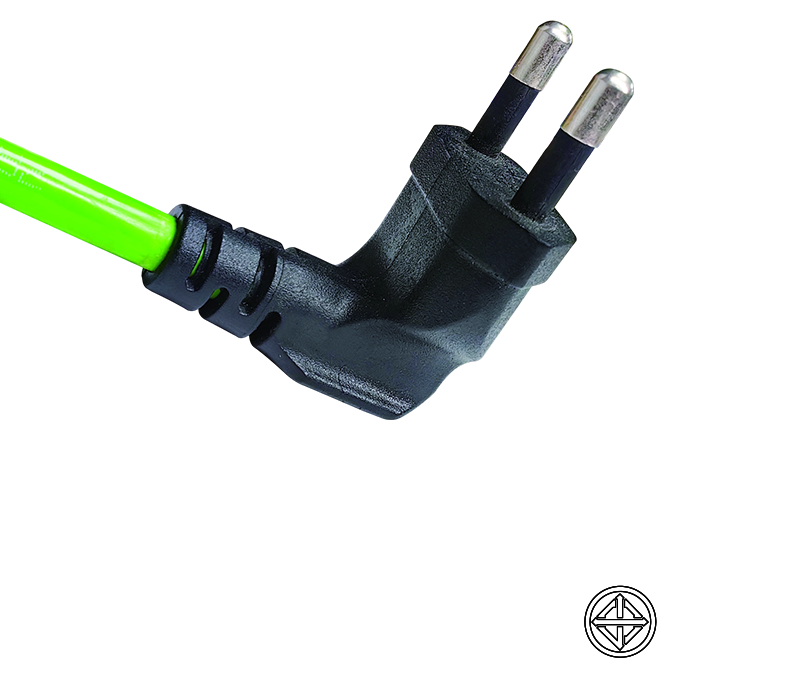 T2-3W/6W/10W/16W 16A 250V 태국 2핀 90도 각진 플러그90도 각도 디자인이 특징인 이 2핀 플러그는 태국 표준을 준수하며 정격은 16A입니다. 순수 구리 도체로 제작되어 뛰어난 전기 전도성을 제공합니다. PVC 하우징은 내구성과...
 -
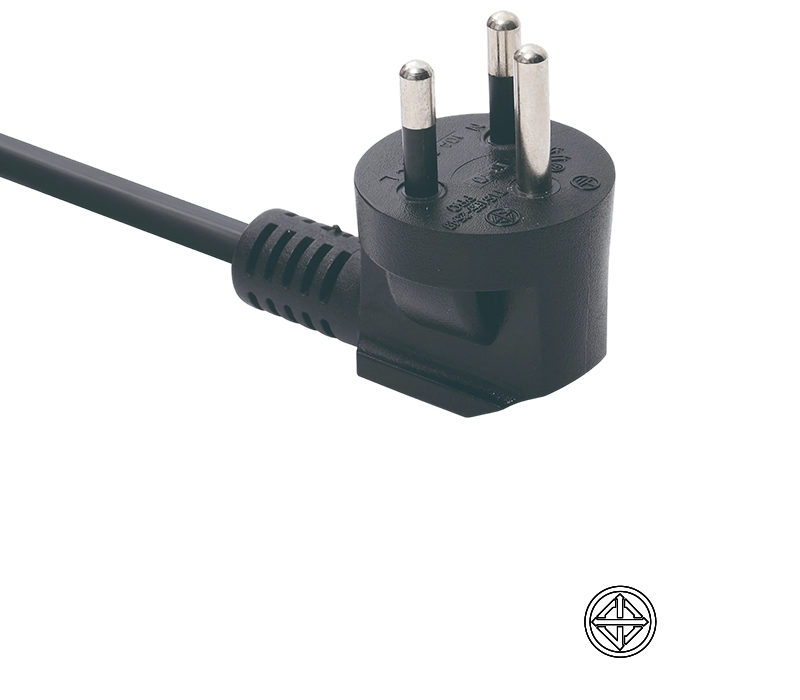 T3-3/6/10/16 16A 250V 태국 3핀 90도 각도 플러그이 3핀 플러그는 정격 16A에서 90도 각도 구성으로 태국 표준을 준수합니다. 순수 구리 도체로 제작되어 안정적인 전력 전송을 보장합니다. PVC 케이스는 환경 요인으로부터...
소개: TIS 표준을 준수하는 2핀 및 3핀 원형 플러그 설계가 특징입니다.
신청: 태국 가정 및 사무실에서 사용되며 220V/50Hz 전압과 호환됩니다.
제조: TIS 인증, 난연성 재료로 제작된 케이블; 플러그와 소켓은 주석 도금 처리되어 있습니다.
서비스: 유럽 콘센트에 맞는 맞춤형 케이블 길이와 어댑터 지원을 제공합니다.
장점: 비용 효율적이며 동남아시아 시장에 적합합니다.

회사 소개
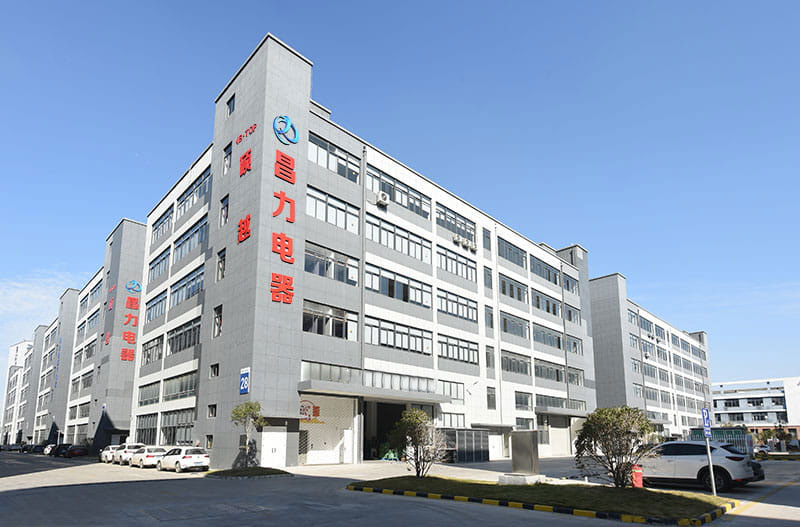
Ningbo TOP Electromechanical Co., Ltd.
명예 최신
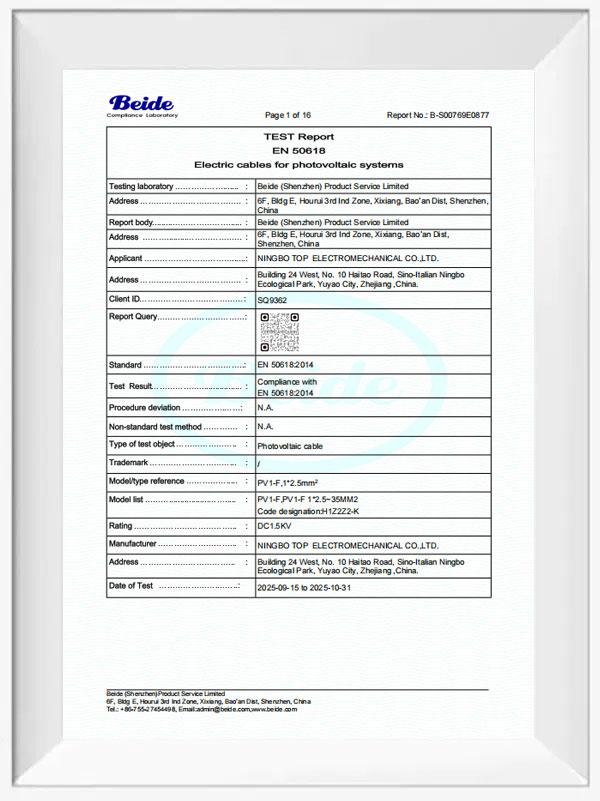
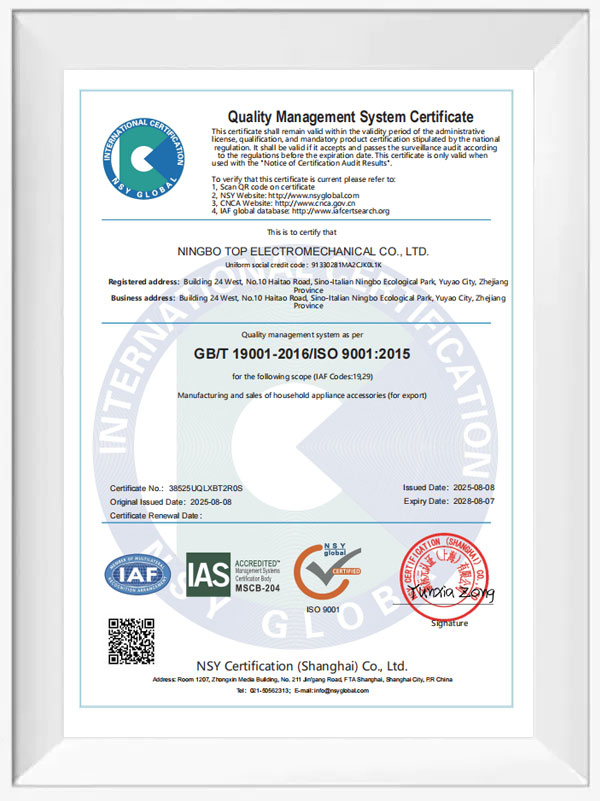
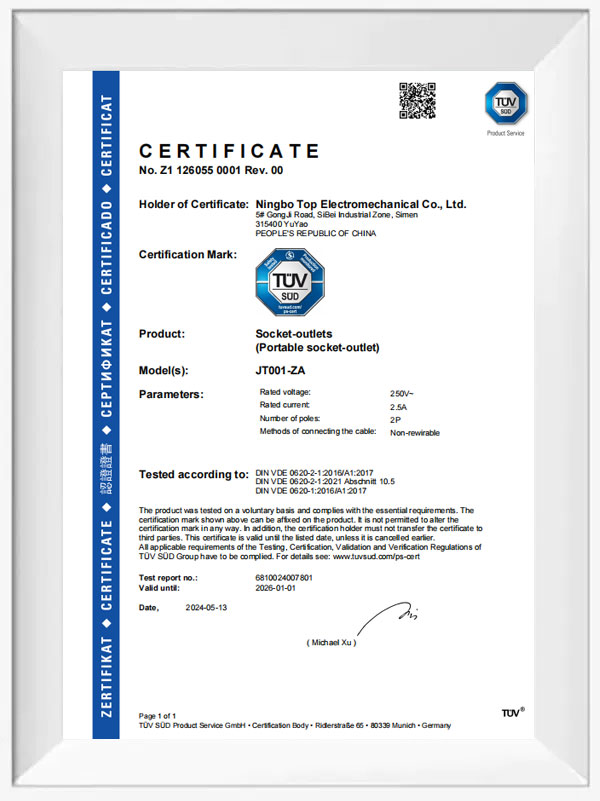
지식 문의하기
How does the grounding design of the Thai Standard Plug ensure electrical safety?
The Thai Standard Plug is designed with a strong emphasis on electrical safety, especially for use with high-power appliances and household devices. The grounding design is one of the key components of the plug's safety. An effective grounding system prevents the risk of electric shock in case of appliance malfunction, reduces fire hazards, and ensures user safety.
Design and Function of the Grounding Pin
The Thai Standard Plug typically has three pins, one of which is the grounding pin. The grounding pin is longer than the other two current-carrying pins, ensuring that the grounding function is activated first when the device is plugged into the socket. The grounding pin's function is to conduct leakage current from the appliance's casing (such as a metal casing) to the ground. Especially in the event of an electrical fault, if there is a problem with the appliance's internal circuitry (such as damaged wires or a short circuit), the grounding system safely directs the leakage current to the ground instead of through a person's body, effectively preventing electric shock.
Electrical Principles of the Grounding System
The principle of the grounding design is to connect the electrical equipment's casing to the ground via the grounding pin. When a leakage current occurs, the current can be safely conducted to the ground through the grounding pin, preventing current from accumulating on the appliance's casing. Without grounding, even in the event of a malfunction, leakage current could flow through the appliance casing to the user, causing an electric shock. This is especially dangerous for high-power appliances (such as air conditioners, refrigerators, and electric water heaters) without grounding, posing a significant safety hazard in case of malfunction.
For example, grounding plugs are commonly used in modern household appliances such as refrigerators, air conditioners, and washing machines. When these devices experience a short circuit, the grounding system allows the current to quickly flow to the ground, preventing fires and electric shocks caused by electrical problems. The electrical system design of many high-power appliances requires the use of plugs with grounding pins, which is a basic requirement for modern electrical safety.
Compliance with International Safety Standards
The grounding design of the Thai Standard Plug complies with international electrical safety standards, such as IEC (International Electrotechnical Commission) standards, ensuring compatibility and safety of plugs and sockets. The grounding pin design takes into account potential electrical faults during equipment use and reduces the incidence of accidents through timely grounding. Furthermore, electrical equipment in Thailand must pass relevant electrical safety certifications, and all plug and socket designs are required to comply with national electrical safety standards. Grounding design is not only a core requirement of Thai domestic plug standards but also an important safety standard for electrical equipment worldwide. Many plugs on the international market (such as the three-prong plugs in the United States and the Schuko plugs in Europe) also use a grounding pin design, reflecting a universal standard for global electrical safety.
What are the voltage and frequency requirements for Thai Standard Plugs?
Thailand's power system, similar to many European and Asian countries, uses a standard alternating current (AC) system with a voltage of 230 volts (V) and a frequency of 50 hertz (Hz). This differs from the power standards in the United States, Canada, and some other North American countries, which typically use 120 volts and 60 hertz. Understanding these power requirements is crucial for selecting appliances, matching plugs, and using electrical equipment internationally.
Voltage Requirements
The standard voltage in Thailand is 230V (±10%). This voltage is the same as in most European countries (such as the UK, Germany, France, etc.) and many Asian countries (such as India, Australia, and Indonesia). This means that most household appliances and electrical devices manufactured in these countries can be used directly in Thailand without the need for an additional voltage converter. This is especially true for medium to high-power appliances such as air conditioners, water heaters, and refrigerators, which adhere to this standard.
However, appliances from low-voltage regions (such as the United States and Japan) cannot be used directly in Thailand. The voltage standard in the US and Japan is 120V, and the difference between this voltage and Thailand's 230V requires a voltage converter to ensure proper operation and prevent damage to the appliance. Therefore, when bringing appliances from low-voltage regions like the US or Japan to Thailand, users must ensure their appliances are compatible with 230V.
Frequency Requirements
The power frequency in Thailand is 50 hertz (Hz), which is the same as in many European and Asian countries. Frequency has a significant impact on the performance of electric motors, transformers, and other electrical equipment. For frequency-sensitive appliances, such as certain types of power tools, clocks, and audio equipment, frequency differences can affect their normal operation. Appliances from 60Hz regions (such as the United States) may experience unstable operation or reduced efficiency when used in Thailand.
For example, some household appliances, such as electronic clocks and power tools, may be designed for 60Hz operation. Therefore, under a 50Hz power system, the motor may operate slightly differently, leading to reduced efficiency or increased vibration. In such cases, using a frequency converter to adjust the frequency is a solution to consider.
The Impact of Voltage and Frequency on Electrical Appliances
In Thailand, electrical appliances must be compatible with 230V voltage and 50Hz frequency. For most appliances, these power requirements are standard, but incompatibility issues may arise with certain devices, especially those designed for different voltages and frequencies. Particular attention must be paid to voltage and frequency matching when importing electrical appliances.
In Thailand, the plugs and sockets for household and industrial equipment are generally compatible with 230V and 50Hz power systems, meaning most local appliances can be used directly without additional adapters or voltage converters. However, if users need to bring appliances from other regions (such as the United States, Canada, Japan, etc.) to Thailand, it is crucial to check the voltage and frequency requirements of the appliance to ensure compatibility.
How to Choose the Appropriate Thai Standard Plug?
Choosing the appropriate Thai Standard Plug is crucial for ensuring the safe and stable operation of electrical appliances in Thailand and other countries that use the same standards. Selecting the correct plug type not only improves the efficiency of electrical equipment but also effectively prevents electrical faults or safety issues.
Current Carrying Capacity
Thai Standard Plugs typically come in 10A and 15A specifications. It is very important to choose the appropriate plug based on the power and current requirements of the appliance. Common household appliances, such as small appliances (electric toothbrushes, rice cookers, televisions, etc.), usually use 10A plugs, while high-power appliances (such as air conditioners, electric water heaters, refrigerators, etc.) require 15A plugs. To ensure electrical safety, choosing a plug with the correct current rating can prevent overheating or the risk of electrical fires.
Calculating Current Requirements:
The power of the appliance and Thailand's voltage standard (230V) directly affect the current rating of the plug. The required current can be calculated using the following formula:
Current = Power / Voltage
For example, if the power of the appliance is 2000W, the required current is:
Current = 2000 / 230≈8.7A
An appliance with this power requirement is suitable for a 10A plug.
Plug Type Selection
Thailand's plug standards mainly include Type A, Type B, and Type C. Different types of plugs are suitable for different appliances, and the choice should be based on the characteristics of the appliance.
- Type A Plug: Suitable for low-power appliances, such as chargers, small appliances, and electronic devices. It has two parallel pins and does not have a grounding function.
- Type B Plug: A three-prong plug with a grounding pin, suitable for high-power appliances such as air conditioners, refrigerators, and electric water heaters. This plug provides grounding protection, ensuring that electrical faults do not pose an electric shock hazard to the user.
- Type C Plug: Usually used for medium-power household appliances and some small devices, and is compatible with standards in some other Asian and European markets. Ningbo TOP Electromechanical Co., Ltd., as a global supplier of electrical equipment, understands the importance of plug types for the safety and performance of electrical devices. The company's plug products strictly adhere to international standards, ensuring that every product provides customers with efficient and safe electrical connections.
Grounding Protection Function
For appliances requiring grounding protection, such as large household appliances and industrial equipment, choosing a plug with a grounding pin (such as a Type B plug) is crucial. The grounding pin safely directs leakage current to the ground, preventing the equipment casing from becoming live and thus reducing the risk of electric shock. Ningbo TOP Electromechanical Co., Ltd. always considers grounding functionality as a core safety requirement in plug design, and all products strictly comply with international electrical safety standards to ensure the safety of high-power equipment.
Appliance Compatibility Issues
For appliances from other countries, especially those with different voltages and frequencies than Thailand, using an adapter or voltage converter is an essential step. For example, appliances from countries such as the United States and Japan typically use 120V voltage, while Thailand uses 230V. To ensure that appliances can be used normally in Thailand, users need to use a voltage converter. Ningbo TOP Electromechanical Co., Ltd. provides a variety of products, including plugs, sockets, and adapters, to help customers solve electrical compatibility problems.
International Certifications and Quality Standards
When choosing a Thai Standard Plug, ensuring that the product meets international quality standards is crucial. Ningbo TOP Electromechanical Co., Ltd. has obtained multiple international certifications, including VDE, UL, CE, PSE, and ASTA, and all products comply with strict electrical safety and quality standards. These certifications ensure the compatibility and high safety of our plugs and sockets worldwide, providing customers with a one-stop electrical solution.
Adapting to the Global Market
As a global supplier of electrical products, Ningbo TOP Electromechanical Co., Ltd. not only focuses on the Thai market but also considers the diverse needs of international customers. The company has a wide customer base globally, and all products undergo rigorous quality control and testing to ensure compatibility in different countries and regions. Whether in Thailand or other countries, users can ensure the efficient operation and safety of their electrical equipment by choosing products from Ningbo TOP Electromechanical Co., Ltd.

협력 시작하기
는 전선 및 케이블, 플러그 및 소켓, 방수 LED 커넥터 등의 연구개발 및 제조를 전문으로 합니다. 당사 제품은 여러 국제 인증을 충족하며 전 세계 시장에서 널리 사용됩니다.

 전화:+86-13586690829
 중국 저장성 닝보 시베이 공업 위야오 시
모든 권리 보유 Ningbo TOP Electromechanical Co., Ltd. OEM/ODM 전기 장비 부품 공장
 제조업체 태국 표준 플러그 OEM/ODM