


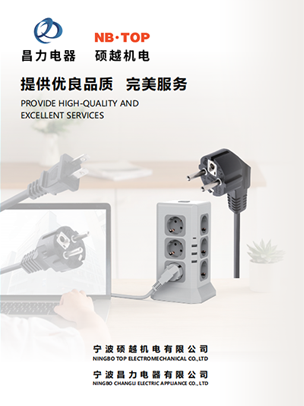
중국 전기 장비 부품 제조업체 일본 표준 플러그 제조업체 전기 부품 공장 일본 표준 플러그 공장, Ningbo TOP Electromechanical Co., Ltd. 는 전선 및 케이블, 플러그 및 소켓, 방수 LED 커넥터, LED 정션 박스, 조명 스트링 배선 등 시리즈의 연구, 개발 및 제조를 전문으로 하는 세계적으로 유명한 전기 및 전자 제품 공급업체입니다. 당사는 국가 및 국제 표준을 엄격히 준수하며, 탁월한 품질로 시장에서 자리매김하고 국내외 고객에게 서비스를 제공합니다. 항저우만 남쪽 해안에 위치한 교통이 편리하고 경제적으로 활기찬 위야오 중이 완양 혁신 파크에 자리 잡고 있으며, 항저우 국제공항, 닝보 항구, 상하이 공항을 포함한 1시간 경제권 내에 있어 전략적 위치를 차지합니다. 물류 네트워크는 전 세계로 확장되어 신속한 배송과 효율적인 서비스를 보장합니다. 당사는 최첨단 제조 및 테스트 장비를 보유하고 있으며, 포괄적인 품질 관리 시스템을 구현하고 전문 서비스 팀을 구축하여 생산부터 애프터 서비스까지 모든 단계에서 높은 기준을 유지합니다. 당사는 CCC, VDE, UL, PSE, ASTA, SAA, KC를 포함한 여러 국제 인증을 획득했으며, 제품은 다양한 국제 안전 기준을 충족하여 전 세계 고객의 신뢰를 얻고 있습니다. 우리의 비전은 글로벌 전원 연결 산업의 선두주자가 되는 것입니다. 우리는 고객 중심으로 우수성을 추구하며, 협력자와 함께 협력하여 빛나는 미래를 이루기를 기대합니다.';

카테고리
일본 표준 플러그 공급업체
-
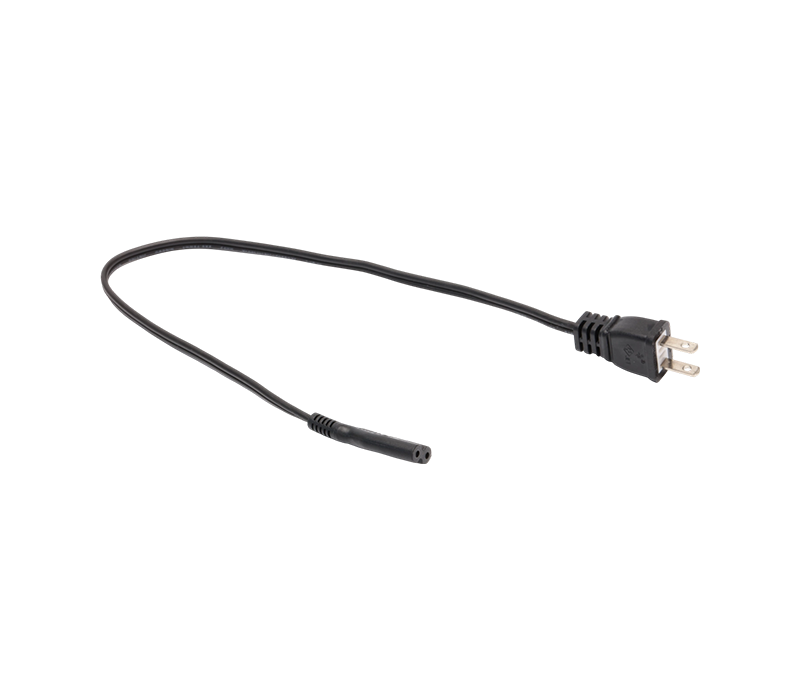 J2-7/12/15+ST2/FY-ST2 15A 125V 일본 2핀 플러그(IEC 커넥터 포함) C7고전도성 순수 구리 도체를 갖춘 15A 125V 일본산 2핀 플러그는 최소한의 손실로 안정적이고 효율적인 전류 전송을 보장합니다. IEC C7 커넥터를 탑재해 호환성이 뛰어나...
 -
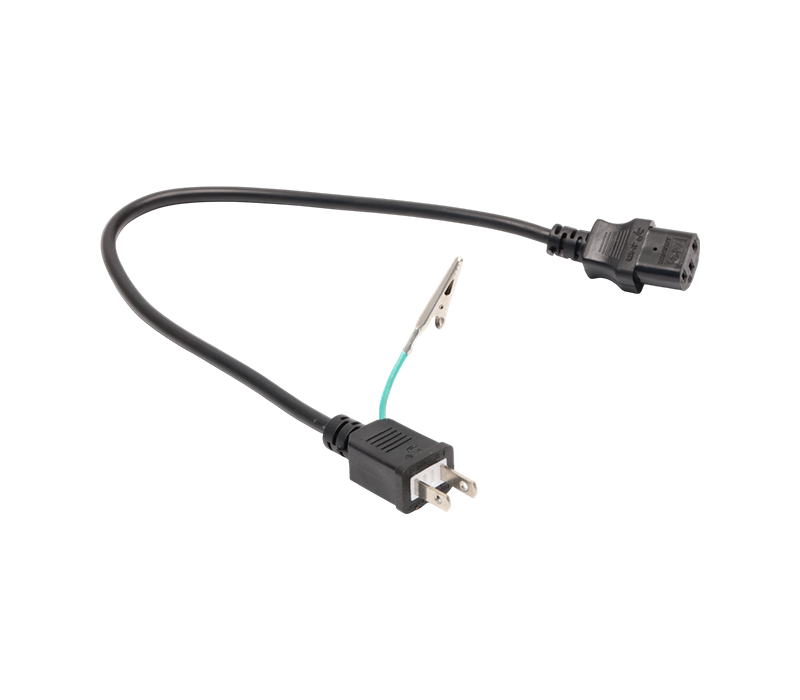 J3-7/12/15+JT-ST3 15A 125V 일본식 플러그(악어 클립 포함) 및 IEC 커넥터 C13악어 클립과 IEC C13 커넥터가 있는 15A 125V 일본 플러그는 독특한 악어 클램프 디자인을 갖추고 있어 복잡한 플러그를 꽂거나 뽑을 필요 없이 다양한 모양의 전도성 ...
 -
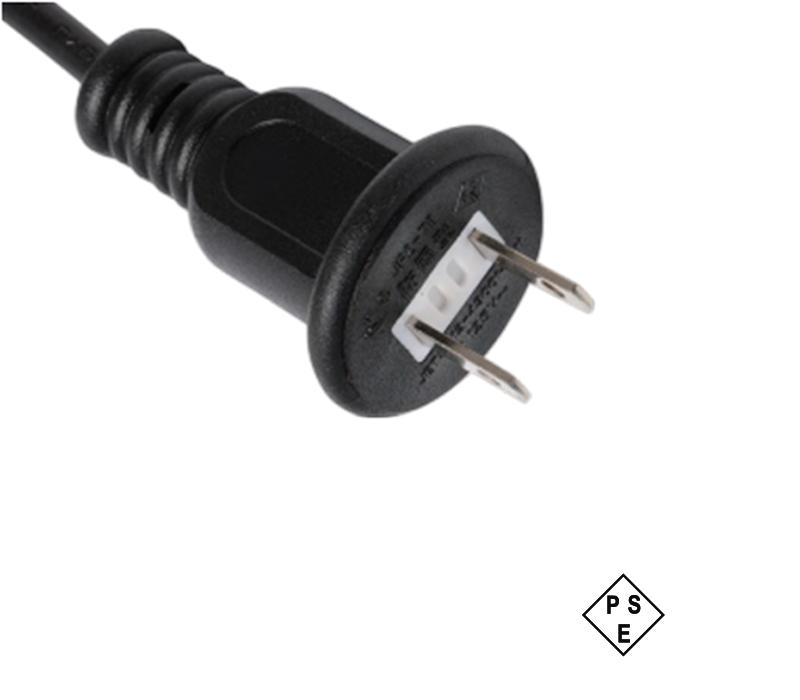 JF2-7B/12B/15B+ JZF2-7/12/15 15A 125V 일본식 2핀 방수 플러그 및 소켓 연장 코드15A 125V 일본식 방수 2핀 플러그 및 소켓 연장 코드는 습기 침투를 효과적으로 방지하는 방수 수준으로 뛰어난 방수 성능을 갖추고 있어 습한 환경에서도 안전한 작동을 보...
 -
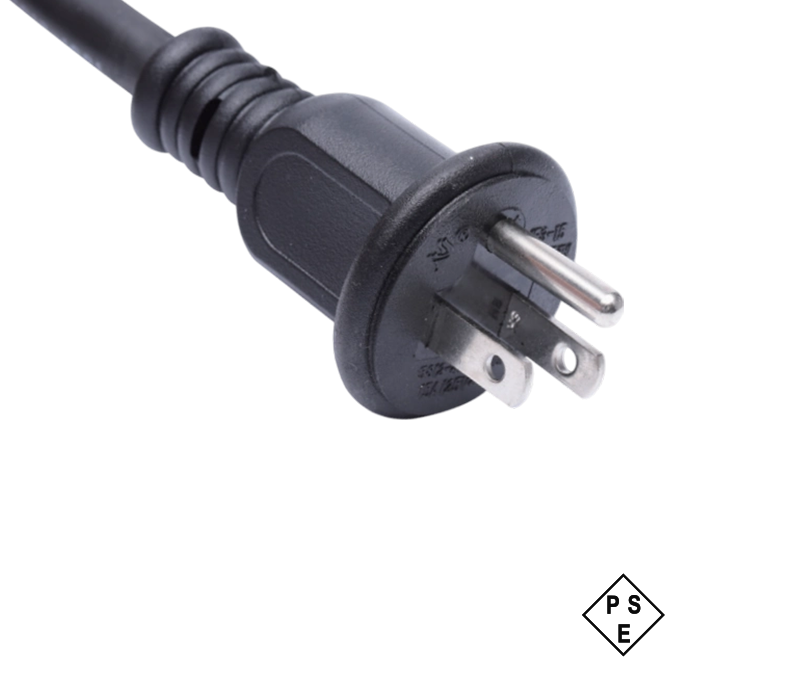 JF3-7/12/15 15A 125V 3핀 일본 방수 플러그15A 125V 일본산 3핀 방수 플러그는 물 침투를 효과적으로 방지하는 특수 방수 설계가 특징으로 안전한 작동을 보장합니다. 도체는 순수 구리로 제작되어 효율적이고 안정적인...
 -
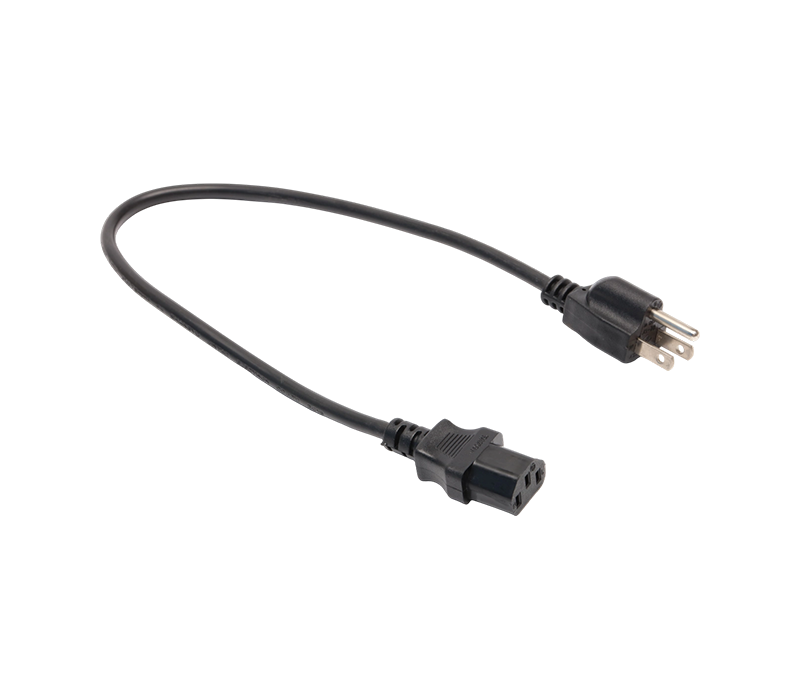 J3-7B/12B/15B+JT-ST3 15A 125V 일본 3핀 플러그(IEC 커넥터 포함) C13IEC C13 커넥터가 있는 15A 125V 일본산 3핀 플러그는 범용 호환 IEC C13 커넥터 덕분에 신뢰성과 다용성을 결합하여 다양한 장치에 빠르게 연결할 수 있습니다....
소개: 2개의 플랫 핀 플러그와 원형 플러스 플랫 핀 플러그가 특징이며 미국 표준과 호환되지만 전압 표준은 100V입니다.
신청: 밥솥, 공기청정기 등 일본 국내 가전제품과 일부 동남아 국가.
제조: 플러그 및 소켓 피팅에 최적화된 탄력성을 갖춘 난연성 PVC 배선을 사용하여 PSE 인증을 받았습니다.
서비스: 100V/50Hz 전압 버전을 제공하며 기타 국제 소켓 유형용 어댑터 플러그를 지원합니다.
장점: 컴팩트한 크기, 높은 안전 표준, 저전력 기기에 적합합니다.

회사 소개
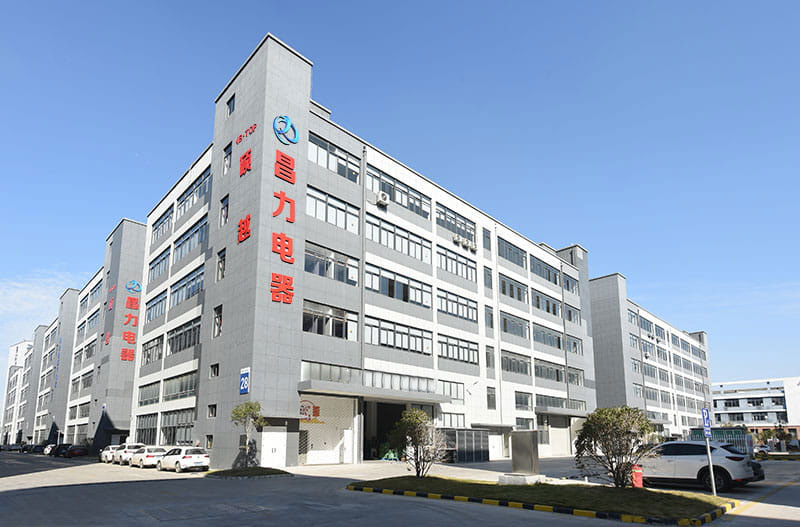
Ningbo TOP Electromechanical Co., Ltd.
명예 최신
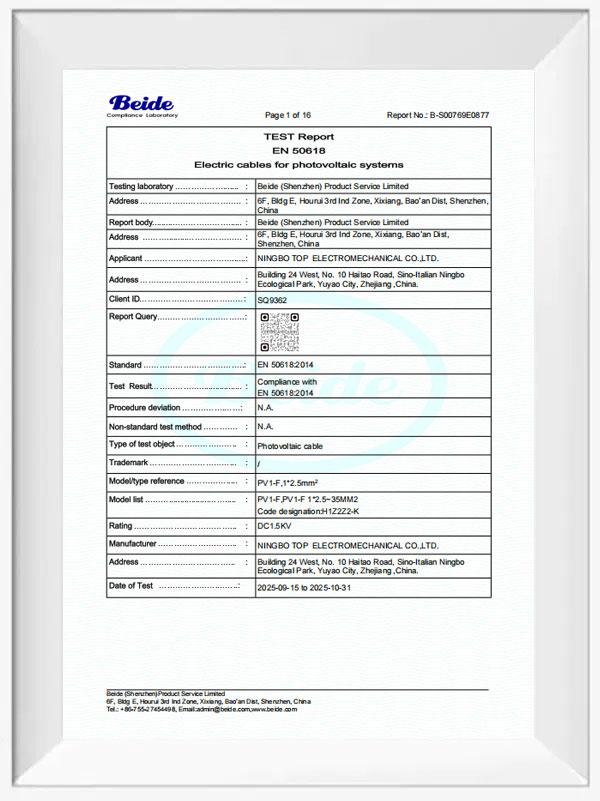
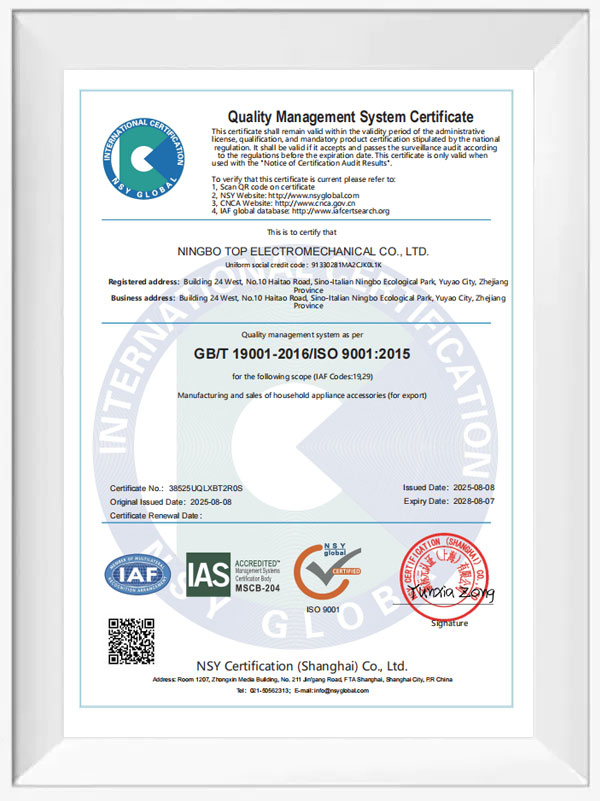
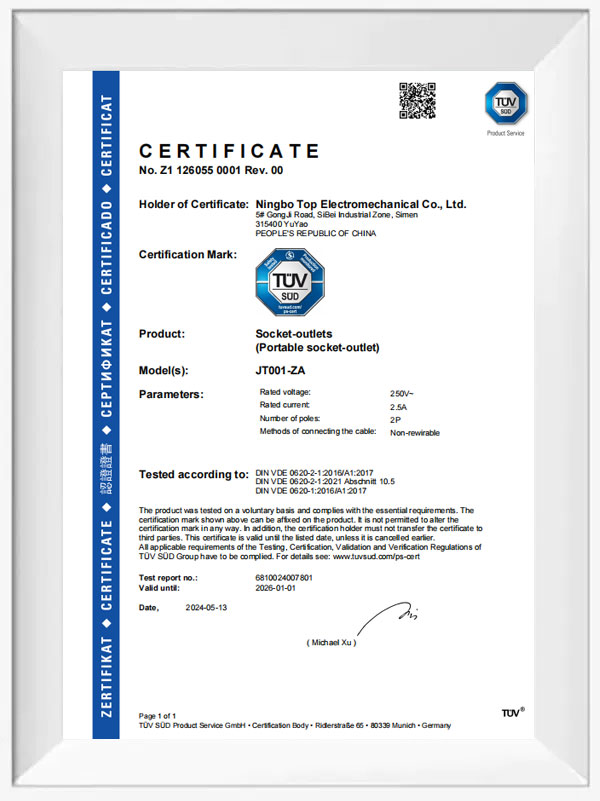
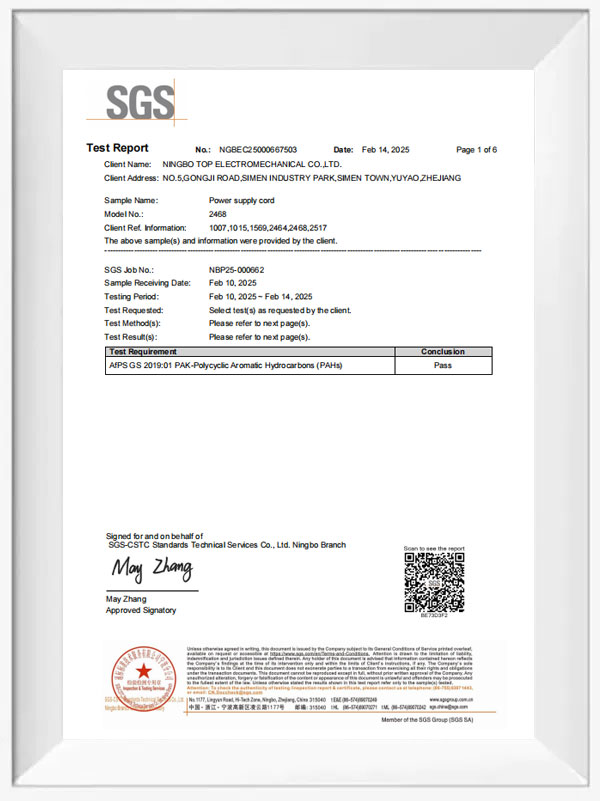
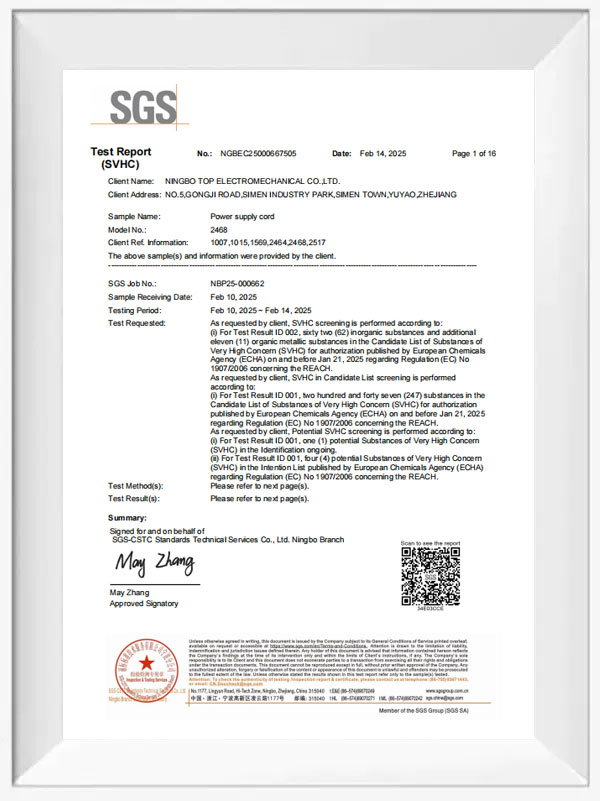
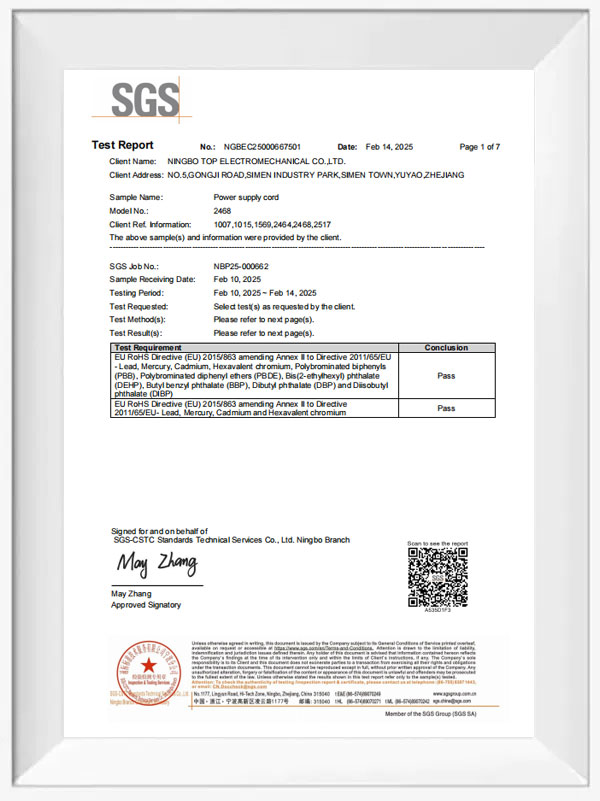
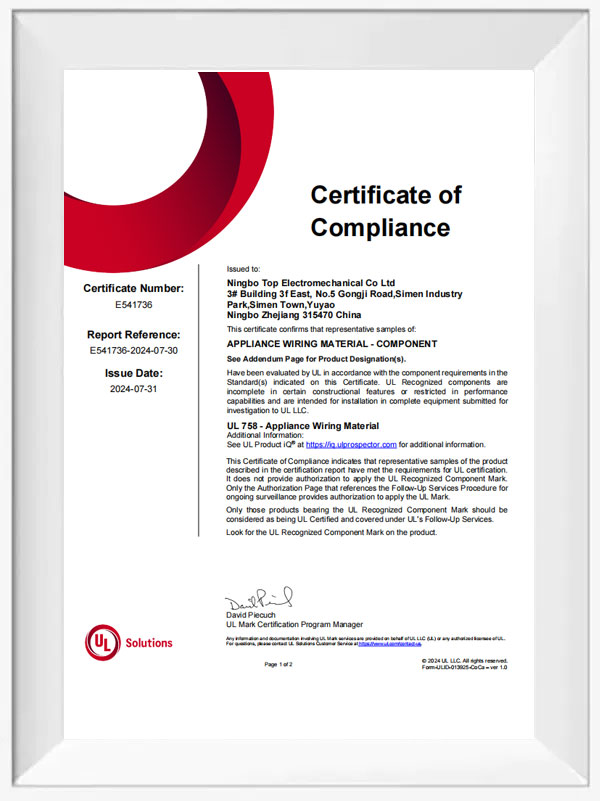
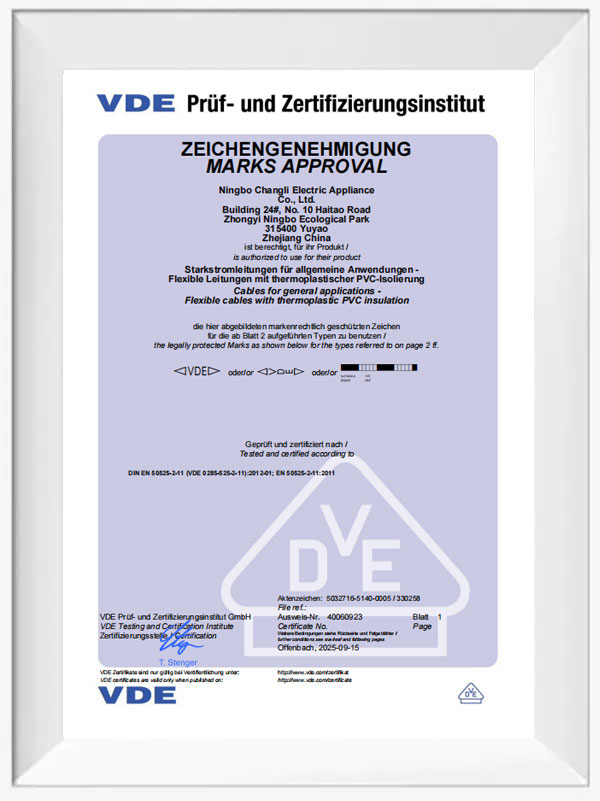
지식 문의하기
How Does the 100V Standard and PSE Certification Define the Technical Superiority of the Japanese Standard Plug?
When discussing the Japanese Standard Plug, the conversation must begin with the unique electrical landscape of Japan. Unlike the 120V system in North America or the 230V system in Europe, Japan operates on a 100V AC standard, which is the lowest voltage used in any major industrialized nation. This low-voltage environment places unique demands on the design and material integrity of the Japanese Standard Plug.
The Rigorous Engineering of the 100V System
The Japanese Standard Plug (Type A and Type B) may appear physically identical to American NEMA plugs, but its internal engineering is specifically tuned for 100V efficiency. Because the voltage is lower, a device requiring high power must draw more current (amperage) to achieve the same wattage. Consequently, the internal copper conductors of a high-quality Japanese Standard Plug must exhibit exceptionally low resistance to prevent overheating. Manufacturers such as Ningbo TOP Electromechanical Co., Ltd. utilize oxygen-free copper with a high purity level, ensuring that even in high-draw appliances like induction rice cookers or industrial air purifiers, the Japanese Standard Plug remains cool to the touch and maintains stable conductivity.
Decoding the PSE (Product Safety Electrical Appliance & Material) Mark
In the world of Japanese electronics, the "PSE" mark is not just a label—it is a legal mandate. For any Japanese Standard Plug to be sold or utilized within the Japanese market, it must comply with the DENAN Law (Electrical Appliance and Material Safety Act).
Diamond PSE Mark: Mandatory for "Specified Electrical Appliances" such as power cords and the Japanese Standard Plug itself. This requires third-party testing and factory audits.
Circle PSE Mark: Used for less hazardous materials, verified by the manufacturer. A certified Japanese Standard Plug undergoes grueling tests, including track resistance tests (to prevent carbon paths from forming between pins) and long-term elasticity tests for the socket interface. As a leading Japanese Standard Plug Supplier, Ningbo TOP ensures every unit meets these stringent safety criteria, providing peace of mind to global exporters targeting the Japanese consumer base.
The Role of Flame-Retardant PVC in Japanese Environments
Japan’s high population density and traditional architecture make fire safety a paramount concern. Therefore, the insulation of a Japanese Standard Plug must utilize high-performance, flame-retardant PVC. This material is engineered to be self-extinguishing; if a short circuit occurs, the PVC jacket will not act as a fuel source for flames. Furthermore, the elasticity of the plug fitting is optimized. If a Japanese Standard Plug is too loose, it can cause arcing; if it is too tight, it can damage the wall socket. Precision injection molding ensures a "perfect fit" that optimizes the contact pressure between the plug blades and the socket's internal clips.
Why Is the Japanese Standard Plug Essential for Modern High-Precision Domestic Appliances and Specialized IT Equipment?
The versatility of the Japanese Standard Plug extends beyond the borders of Japan, as many Southeast Asian countries and international travelers rely on its compact and reliable design. Its application in high-precision domestic appliances demonstrates the peak of consumer-oriented electrical engineering.
Powering the Icons of Japanese Innovation: Rice Cookers and Air Purifiers
Domestic Japanese appliances are world-renowned for their precision and high power-to-size ratio. For example, high-end induction heating (IH) rice cookers and advanced air purification systems are the primary beneficiaries of the Japanese Standard Plug. These devices often undergo intensive thermal cycles, requiring a plug that can handle sustained current without degradation. In the domestic Japanese market, the 100V version of the Japanese Standard Plug is engineered to provide the stable voltage necessary for the complex PID controllers and sensors inside these smart appliances. By maintaining a steady current flow, the Japanese Standard Plug helps preserve the delicate balance of heat and fan speed, ensuring the longevity and efficiency of the device.
Expansion into Southeast Asian Markets and Beyond
Beyond Japan, the Japanese Standard Plug has established a significant presence in several Southeast Asian countries where Japanese electronic brands have historically dominated the market. In nations like Thailand, Vietnam, and parts of the Philippines, the Japanese Standard Plug is frequently used for both imported Japanese goods and locally manufactured appliances that follow Japanese engineering standards. The compact size and high safety ratings of the Japanese Standard Plug make it ideal for the diverse electrical infrastructures found in these regions. Suppliers who offer specialized 100V/50Hz versions of the Japanese Standard Plug are particularly valued, as they provide a direct, adapter-free connection for high-quality Japanese domestic-market (JDM) products in international settings.
Specialized IT and Laboratory Equipment
In laboratory settings, where sensitive measuring equipment is used, the grounding version of the Japanese Standard Plug (featuring a round grounding pin plus two flat pins) is indispensable. While many Japanese household outlets are two-slot, laboratory and high-end IT environments utilize the three-prong Japanese Standard Plug to eliminate electromagnetic interference (EMI) and static discharge. The grounding pin provides a safe path for fault currents, protecting delicate sensors and high-speed data processors. As China Japanese Standard Plug Manufacturers, companies like Ningbo TOP produce these specialized grounded versions with reinforced strain relief, ensuring they can withstand the rigors of an industrial or medical environment.
The Global Compatibility Factor
An interesting hot topic in the industry is the cross-compatibility between the Japanese Standard Plug and the US NEMA standard. While they are physically compatible, the Japanese Standard Plug is often preferred for low-power, compact devices because of its streamlined profile. Travelers often seek out Japanese Standard Plug adapters because they are more compact than European or British counterparts. However, professional installers always recommend using a dedicated Japanese Standard Plug for 100V devices to avoid the risk of plugging a 100V-only appliance into a 120V or 240V socket, which could lead to catastrophic failure.
Technical Specification Comparison Table
|
Feature |
Household Japanese Plug (2-Pin) |
Industrial Japanese Plug (3-Pin) |
High-Current Variant |
|---|---|---|---|
|
NEMA Equivalent |
NEMA 1-15P (Modified) |
NEMA 5-15P (Modified) |
NEMA 5-20P Style |
|
Voltage Standard |
100V / 125V |
100V / 125V |
125V |
|
Max Current |
7A - 12A |
15A |
20A |
|
Standard Certification |
PSE (Diamond) |
PSE (Diamond) |
PSE / JIS |
|
Primary Material |
Flame-Retardant PVC |
Reinforced Nylon/PVC |
Impact-Resistant Resin |
|
Common Use |
Lamps, Fans, Rice Cookers |
PCs, Servers, Lab Gear |
Industrial Heaters |
|
Pin Finish |
Nickel-Plated Brass |
High-Conductivity Brass |
Polished Copper Alloy |
Summary of Technical Standards and Application Logic
The technical data presented in the table above highlights the nuanced engineering required for a reliable Japanese Standard Plug. While the household 2-pin version prioritizes a compact form factor and cost-effectiveness for double-insulated consumer electronics, the 3-pin and high-current variants are built with superior mechanical reinforcement. The transition from nickel-plated brass to polished copper alloys in high-current models is a strategic decision to minimize thermal gain during peak power draw. Furthermore, the mandatory requirement of PSE Diamond certification across all categories ensures that every Japanese Standard Plug provides a standardized level of impact resistance and dielectric strength. This systematic classification allows engineers and procurement specialists to select the appropriate Japanese Standard Plug based on the specific electrical load and environmental stressors of their end-use application.
What Technical Attributes and Material Innovations Ensure the Long-Term Reliability of the Japanese Standard Plug?
Beyond simple connectivity, the architectural integrity of a Japanese Standard Plug is defined by its ability to withstand diverse environmental stressors and repeated mechanical use. For engineers and distributors, understanding these product-centric attributes is essential for evaluating the quality of a Japanese Standard Plug in the global marketplace.
Advanced Polymer Formulations for Environmental Resilience
The cable and casing paired with a high-quality Japanese Standard Plug are the results of intensive material science. A primary technical challenge is maintaining flexibility in extreme conditions. In colder climates, standard plastics can become brittle and crack, leading to exposed conductors and hazardous conditions. A premium Japanese Standard Plug utilizes specialized polymer compounds that retain their elastic properties even at sub-zero temperatures. Conversely, under the high-heat conditions common in industrial kitchens or data centers, the insulation must remain structurally stable. By incorporating heat-stabilizing additives, the Japanese Standard Plug prevents the degradation of the dielectric barrier, ensuring that the electrical insulation remains intact throughout the product's entire lifecycle.
Precision Mechanical Tolerance and Pin Geometry
The safety of a Japanese Standard Plug is largely determined by its fit within a socket. If the tolerance is too high, poor electrical contact can lead to localized heating and potential fire hazards. A high-performance Japanese Standard Plug is manufactured with micron-level precision to ensure that the flat pins maintain optimal surface area contact with the internal clips of the outlet. This precision geometry minimizes contact resistance, which is particularly critical in the 100V system where current flow is higher. Furthermore, the pins of a Japanese Standard Plug often feature a specialized finish, such as polished nickel or high-grade brass, to prevent oxidation. This ensures that even after years of use in humid coastal environments, the plug maintains low electrical resistance and high conductive efficiency.
Integrity of the Over-Molded Strain Relief
One of the most common failure points in power connections is the junction between the cable and the plug. A robust Japanese Standard Plug addresses this through an integrated, over-molded strain relief system. This design distributes mechanical tension across the reinforced neck of the plug, preventing the internal copper strands from fraying or snapping due to repeated bending. The chemical bond between the over-molded plug head and the wire jacket creates a hermetic seal, protecting the internal connections from moisture, dust, and chemical contaminants. This focus on the physical durability of the Japanese Standard Plug ensures it can withstand the rigors of frequent relocation and heavy daily usage in both residential and professional settings.
Strategic Location and the "One-Hour Logistics" Advantage
Logistics is the backbone of the global Japanese Standard Plug supply chain. Ningbo TOP Electromechanical Co., Ltd. is strategically situated in the Yuyao Zhongyi Wanyang Innovation Park. This location is not just a point on a map; it is a logistical powerhouse located on the southern coast of Hangzhou Bay.
Proximity to Ningbo Port: As one of the world's most technologically advanced and efficient container terminals, Ningbo Port serves as the primary maritime gateway for our global exports. Its massive deep-water berths and high-speed customs clearance procedures allow for the rapid mass-export of Japanese Standard Plug orders, particularly for high-volume sea freight destined for major markets across the Pacific. By leveraging Ningbo Port's extensive network of direct shipping routes, we can ensure that large-scale shipments are managed with optimized transit times and significantly reduced freight costs, providing a substantial competitive edge for our international distributors.
Shanghai and Hangzhou Synergy: Our manufacturing base benefits immensely from a dual-airport advantage. Being situated within a one-hour economic radius of both Shanghai Pudong International Airport and Hangzhou International Airport means that we can utilize the world-class air cargo capacity of these hubs. This synergy is critical for the expedited delivery of urgent Japanese Standard Plug samples, high-priority customized components, or just-in-time inventory replenishments for critical projects. This geographical accessibility facilitates seamless global travel for our international partners, allowing them to visit our facilities for on-site quality audits, technical consultations, and collaborative R&D sessions, thereby fostering a highly transparent and durable collaborative partnership.
Serving the Global Market with Diverse Certifications
While the Japanese Standard Plug is the focus, a truly global supplier must demonstrate mastery across multiple standards. Ningbo TOP's ability to hold certifications such as CCC, VDE, UL, PSE, ASTA, SAA, and KC highlights their versatility. By offering a 100V/50Hz-60Hz version of their power cords, they support the specific needs of the Japanese power grid, which is famously split between 50Hz (East) and 60Hz (West). This level of detail—providing optimized elasticity for plug-and-socket fittings and supporting various adapter types—is what defines a leader in the power connection industry.
Vision for the Future: Sustainability and Connectivity
The future of the Japanese Standard Plug lies in sustainability. Leading Japanese Standard Plug Suppliers are now exploring bio-based PVC and halogen-free cables to reduce environmental impact. The vision of companies like Ningbo TOP is to stay customer-centric while pursuing excellence in "Green Manufacturing." By innovating in areas like waterproof LED connectors and specialized junction boxes, they provide a holistic connectivity solution that integrates seamlessly with the traditional Japanese Standard Plug.
The Japanese Standard Plug is much more than a simple plastic and metal component; it is a highly engineered interface that bridges the gap between the power grid and the sophisticated electronics that define modern life. From the strict safety mandates of the PSE certification to the precision-engineered 100V conductivity, every aspect of the Japanese Standard Plug is designed to ensure maximum safety for the end-user.
For businesses looking for a reliable partner, choosing a professional China Japanese Standard Plug Manufacturer like Ningbo TOP Electromechanical Co., Ltd. provides a clear advantage. Their strategic location near major ports like Ningbo and Shanghai, combined with their vast array of international certifications and state-of-the-art manufacturing equipment, ensures that they can meet the most demanding specifications. Whether it is for high-power kitchen appliances, delicate medical instruments, or global IT infrastructure, the Japanese Standard Plug remains a symbol of Japanese precision, supported by the manufacturing excellence of global industry leaders.
협력 시작하기
는 전선 및 케이블, 플러그 및 소켓, 방수 LED 커넥터 등의 연구개발 및 제조를 전문으로 합니다. 당사 제품은 여러 국제 인증을 충족하며 전 세계 시장에서 널리 사용됩니다.

 전화:+86-13586690829
 중국 저장성 닝보 시베이 공업 위야오 시
모든 권리 보유 Ningbo TOP Electromechanical Co., Ltd. OEM/ODM 전기 장비 부품 공장
 제조업체 일본 표준 플러그 OEM/ODM