


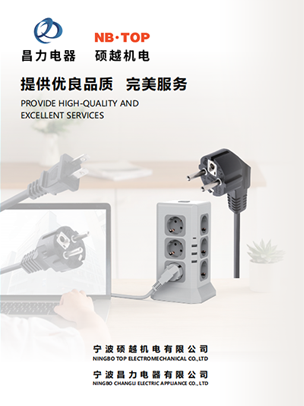
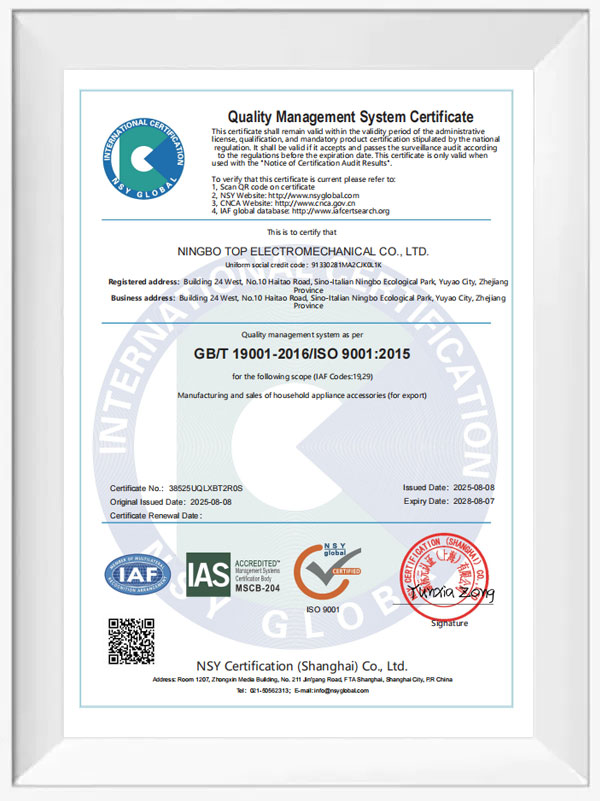
중국 전기 장비 부품 제조업체 PV 카테고리 플러그 제조업체 전기 부품 공장 PV 카테고리 플러그 공장, Ningbo TOP Electromechanical Co., Ltd. 는 전선 및 케이블, 플러그 및 소켓, 방수 LED 커넥터, LED 정션 박스, 조명 스트링 배선 등 시리즈의 연구, 개발 및 제조를 전문으로 하는 세계적으로 유명한 전기 및 전자 제품 공급업체입니다. 당사는 국가 및 국제 표준을 엄격히 준수하며, 탁월한 품질로 시장에서 자리매김하고 국내외 고객에게 서비스를 제공합니다. 항저우만 남쪽 해안에 위치한 교통이 편리하고 경제적으로 활기찬 위야오 중이 완양 혁신 파크에 자리 잡고 있으며, 항저우 국제공항, 닝보 항구, 상하이 공항을 포함한 1시간 경제권 내에 있어 전략적 위치를 차지합니다. 물류 네트워크는 전 세계로 확장되어 신속한 배송과 효율적인 서비스를 보장합니다. 당사는 최첨단 제조 및 테스트 장비를 보유하고 있으며, 포괄적인 품질 관리 시스템을 구현하고 전문 서비스 팀을 구축하여 생산부터 애프터 서비스까지 모든 단계에서 높은 기준을 유지합니다. 당사는 CCC, VDE, UL, PSE, ASTA, SAA, KC를 포함한 여러 국제 인증을 획득했으며, 제품은 다양한 국제 안전 기준을 충족하여 전 세계 고객의 신뢰를 얻고 있습니다. 우리의 비전은 글로벌 전원 연결 산업의 선두주자가 되는 것입니다. 우리는 고객 중심으로 우수성을 추구하며, 협력자와 함께 협력하여 빛나는 미래를 이루기를 기대합니다.';

카테고리
PV 카테고리 플러그 공급업체
-
 유럽 표준 플러그 태양광 케이블, 3핀 전기 커넥터, 16A AC 250V유럽 시장을 위해 특별히 설계된 이 유럽 표준 플러그 태양광 케이블은 유럽 표준을 엄격하게 준수합니다. 3핀 전기 커넥터가 장착된 컴팩트한 디자인은 느슨함과 접촉 불량을 ...
소개: 태양광 발전 시스템용으로 특별히 설계된 이 커넥터는 안전한 연결을 위해 자동 잠금 래치 메커니즘을 활용하여 방수, UV 안정성 및 고온 내성이 특징입니다.
신청: 태양광 패널을 인버터 및 결합기 박스에 연결하는 데 이상적이며 실외 태양광 발전소 및 분산 에너지 시스템에 적합합니다.
제조: 내부가 은도금된 구리 도체와 엔지니어링 플라스틱(PPE/PPO)으로 포장되어 있으며 IP67 방수 표준 인증을 받았습니다.
서비스: 1000V 및 1500V의 높은 DC 전압을 지원하는 압착 도구 공급 및 설치 교육.
장점: 뛰어난 내후성, 견고한 연결, DC 아크 결함 위험 감소, 전반적인 시스템 안전성 향상.

회사 소개
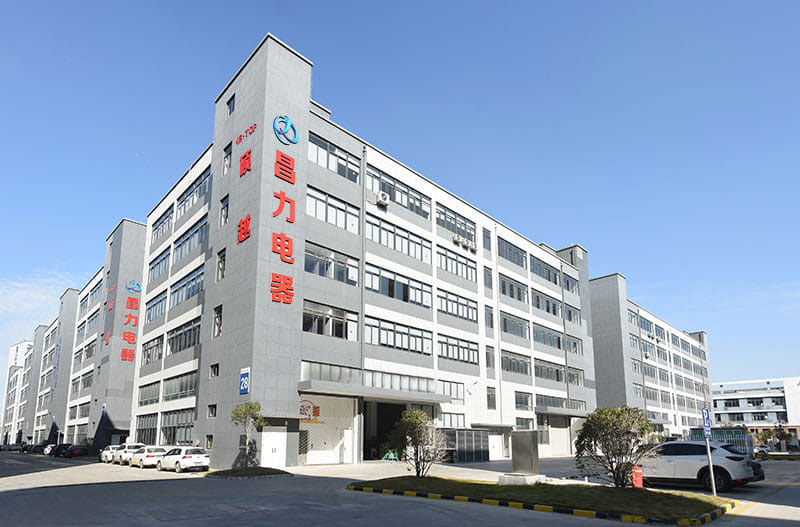
Ningbo TOP Electromechanical Co., Ltd.
명예 최신
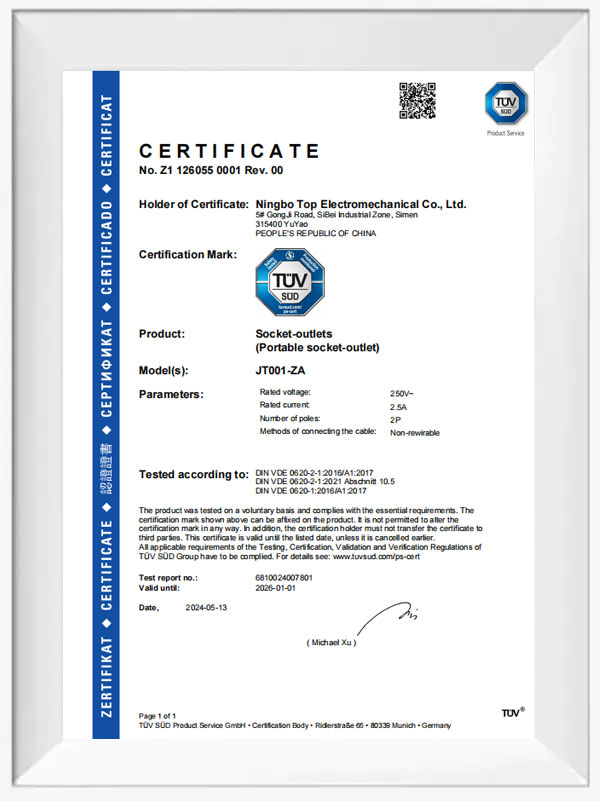
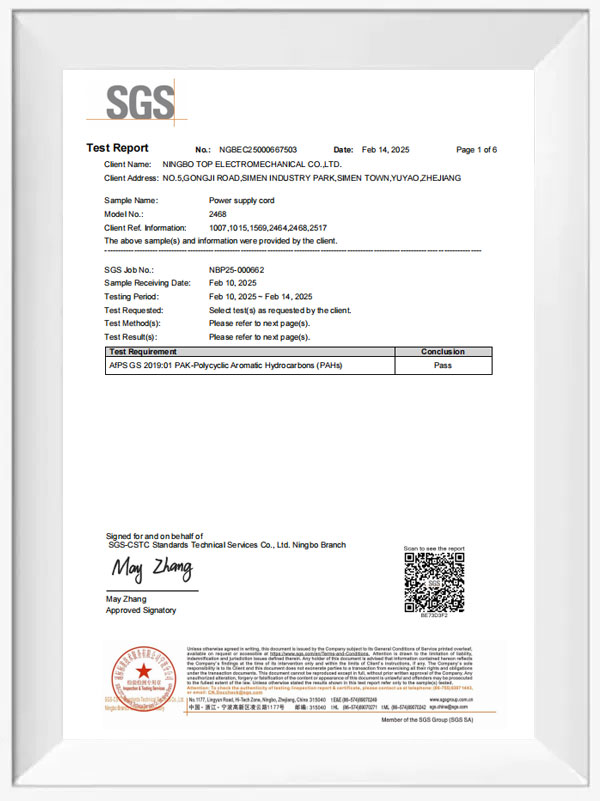
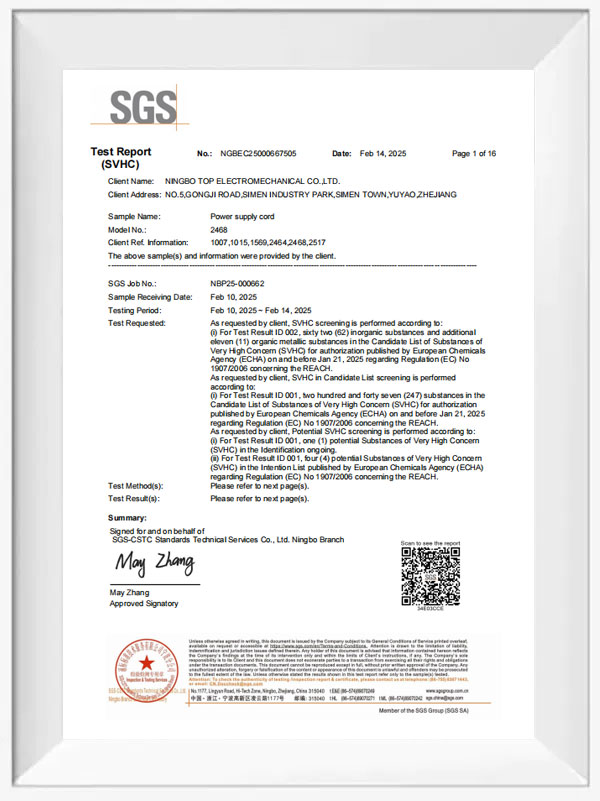
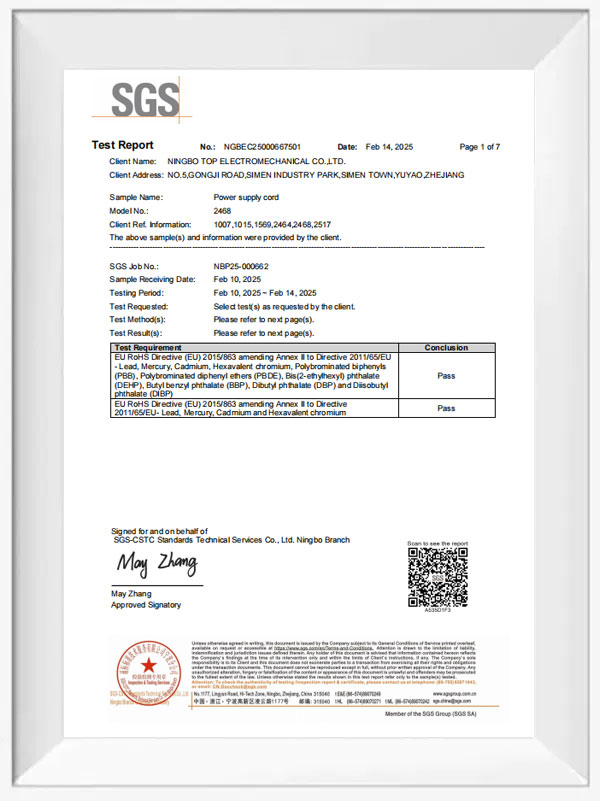
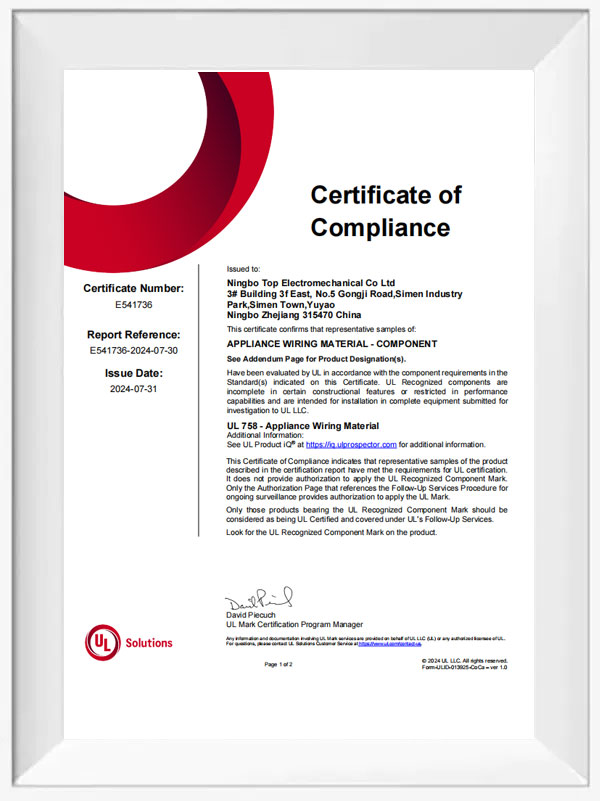
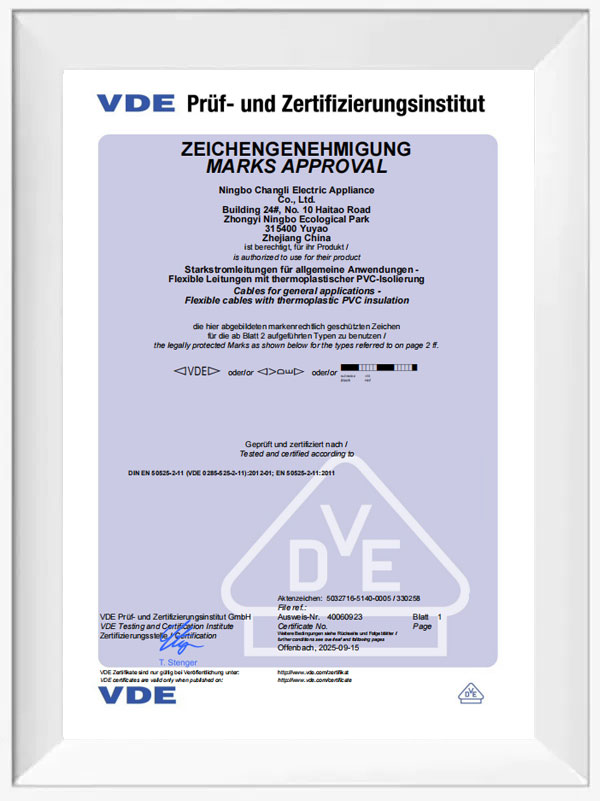
지식 문의하기
Does the PV Category Plug Have Safety Features Such as Protection Against Electric Shock, Short Circuits, and Overloads?
Understanding the Importance of Safety Features in Electrical Components
In the realm of electrical equipment, safety is a crucial concern. Whether used for residential, industrial, or commercial purposes, electrical components must be designed with built-in safety features to protect both users and equipment. The PV (photovoltaic) category plug, typically used in solar power systems, is no exception. It is essential to ensure that PV plugs come with protection mechanisms that prevent electric shock, short circuits, and overloads. These safeguards help avoid hazardous situations, especially in high-voltage applications like solar energy systems.
Electric Shock Protection in PV Plugs
One of the primary safety concerns when using electrical equipment is the potential for electric shock. A PV category plug incorporates several design elements to mitigate this risk. The plug’s casing is often made of high-quality, insulating materials that prevent any exposed conductive parts from coming into contact with the user. These materials are chosen for their ability to withstand high temperatures and electrical currents, ensuring a strong protective barrier. Additionally, the design of the plug’s terminals is such that they are fully enclosed when not in use, further reducing the chances of accidental contact with live parts.
Short Circuit Protection in PV Plugs
Short circuits are a significant safety risk in electrical systems, and they can result in sparks, fires, or severe damage to both the power source and connected devices. To prevent short circuits in PV category plugs, they are equipped with specific mechanisms. For example, the plugs often include protective fuses or circuit breakers that automatically disconnect the power supply when a short circuit occurs. This immediate reaction limits the amount of damage caused by excessive current and ensures that the system remains safe. The materials used in the plug’s construction, including high-strength copper for contacts, are also selected for their ability to handle electrical currents without degrading or causing potential short-circuit conditions.
Overload Protection in PV Plugs
Another critical safety feature in PV plugs is overload protection. Overloading can occur when a plug or cable is subjected to more current than it is designed to handle, which can lead to overheating, melting, or even fires. To address this, PV plugs often incorporate thermal protection features. These include built-in heat-resistant components that can tolerate high temperatures caused by excess current. In some cases, the plug may include thermal cutoffs or switches that automatically shut off the electrical connection when the temperature exceeds a safe threshold. This ensures that the system can handle peak loads without putting users or equipment at risk.
The Role of Standards in Ensuring Safety
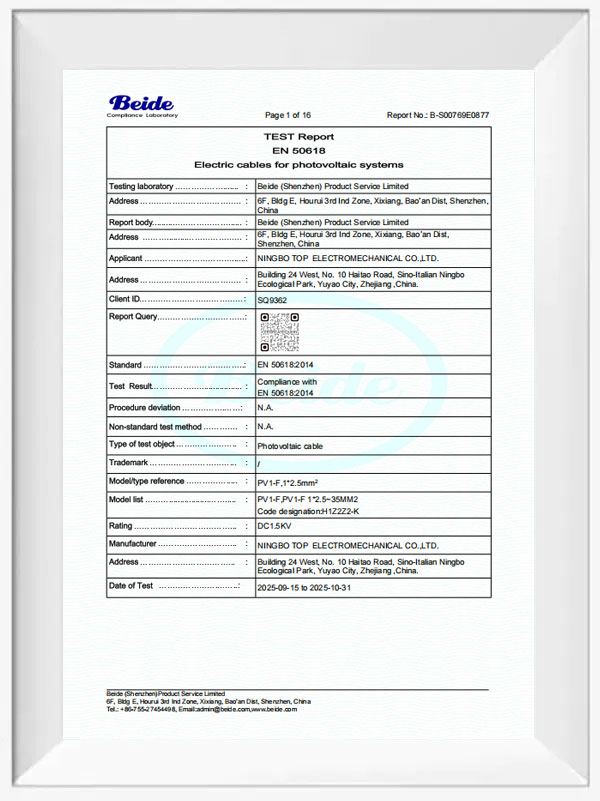
For any electrical component, including PV category plugs, adhering to established safety standards is essential. Ningbo TOP Electromechanical Co., Ltd., a leading manufacturer of electrical products, follows strict national and international standards in the design and production of its PV plugs. These standards include guidelines for electrical safety, such as IEC (International Electrotechnical Commission) standards, which set criteria for dielectric strength, insulation resistance, and overload performance. By following these standards, manufacturers ensure that their products are reliable and safe for use in demanding applications such as solar power systems.
Material Selection for Enhanced Safety
The materials used in the construction of PV category plugs are chosen not only for their durability but also for their ability to enhance safety. Insulating materials, such as high-quality thermoplastics, are commonly used for the outer casing of the plug to provide a protective barrier against electrical currents. These materials are resistant to environmental factors like UV radiation, moisture, and extreme temperatures, which ensures that the plug remains safe and functional over its lifespan. The contacts inside the plug are often made of copper or brass, which are excellent conductors of electricity but are treated or coated to prevent corrosion or degradation over time.
Environmental Considerations and Safety
In addition to protecting against electrical hazards, the safety features of PV plugs also consider environmental conditions. Since solar systems are often installed outdoors or in harsh environments, it is vital that the plugs are resistant to weather elements. UV-resistant coatings and moisture-proof designs ensure that the plugs remain safe and functional even when exposed to direct sunlight, rain, or humidity. These environmental protections prevent the degradation of safety features, such as insulation, which could otherwise lead to safety failures.
The Need for Comprehensive Protection
In conclusion, the safety of PV category plugs is ensured through a combination of advanced design, high-quality materials, and adherence to international safety standards. Features such as electric shock prevention, short-circuit protection, and overload safety mechanisms help mitigate risks associated with solar power systems. For users of PV plugs, especially in high-voltage applications, these safety features are crucial for preventing electrical accidents, ensuring long-term reliability, and maintaining system efficiency. Manufacturers, including Ningbo TOP Electromechanical Co., Ltd., continue to innovate and refine these safety features to meet the growing demands of the renewable energy sector.
FAQ
Q: How does a PV category plug ensure safe connections in outdoor solar installations?
A: PV category plugs are designed with weather-resistant housings and precise contact mechanisms to maintain secure connections even in outdoor conditions. Ningbo TOP Electromechanical Co., Ltd. manufactures these plugs with materials that resist UV exposure, moisture, and temperature variations, reducing the risk of connection failures or electrical hazards.
Q: What design features in PV plugs prevent accidental electric shocks?
A: Safety is enhanced through insulated casings and fully enclosed contact terminals. These design elements minimize direct exposure to live electrical parts. The plugs from Ningbo TOP Electromechanical Co., Ltd. also incorporate additional protective measures to prevent accidental contact during installation or maintenance.
Q: How do PV category plugs handle potential short circuits or overloads?
A: High-quality PV plugs are equipped with built-in safeguards or are compatible with system-level protection devices to mitigate the effects of short circuits or overcurrent. Materials used in their construction, such as treated copper contacts, provide reliable conductivity while reducing the risk of overheating. Ningbo TOP Electromechanical ensures its plugs comply with relevant standards to manage these risks.
Q: In what way do environmental factors affect the performance of PV category plugs?
A: Exposure to UV light, rain, and temperature fluctuations can degrade some electrical components. PV plugs produced by Ningbo TOP Electromechanical Co., Ltd. are made with materials and coatings that maintain insulation integrity, prevent moisture ingress, and resist corrosion, ensuring safe and stable performance under varied environmental conditions.
Q: Can PV category plugs be integrated into different solar panel systems safely?
A: Yes, these plugs are standardized to ensure compatibility across multiple solar panel configurations while maintaining safety. Ningbo TOP Electromechanical Co., Ltd. designs its PV plugs to meet international standards, making them suitable for integration into residential, commercial, and industrial solar installations without compromising safety.
Q: How do quality standards influence the reliability of PV category plugs?
A: Adherence to international and national standards ensures that PV plugs perform reliably under electrical load, resist environmental stress, and maintain user safety. Ningbo TOP Electromechanical Co., Ltd. strictly follows these standards in the production of PV plugs, offering confidence in long-term operation and reduced maintenance requirements.
Q: What maintenance practices are recommended for PV category plugs?
A: Regular inspection for dirt, moisture, and corrosion is advised to maintain optimal performance. Using plugs from a manufacturer like Ningbo TOP Electromechanical Co., Ltd., which provides high-quality, durable components, reduces the frequency of maintenance while ensuring electrical safety and system reliability over time.
협력 시작하기
는 전선 및 케이블, 플러그 및 소켓, 방수 LED 커넥터 등의 연구개발 및 제조를 전문으로 합니다. 당사 제품은 여러 국제 인증을 충족하며 전 세계 시장에서 널리 사용됩니다.

 전화:+86-13586690829

 중국 저장성 닝보 시베이 공업 위야오 시
모든 권리 보유 Ningbo TOP Electromechanical Co., Ltd. OEM/ODM 전기 장비 부품 공장
 제조업체 PV 카테고리 플러그 OEM/ODM